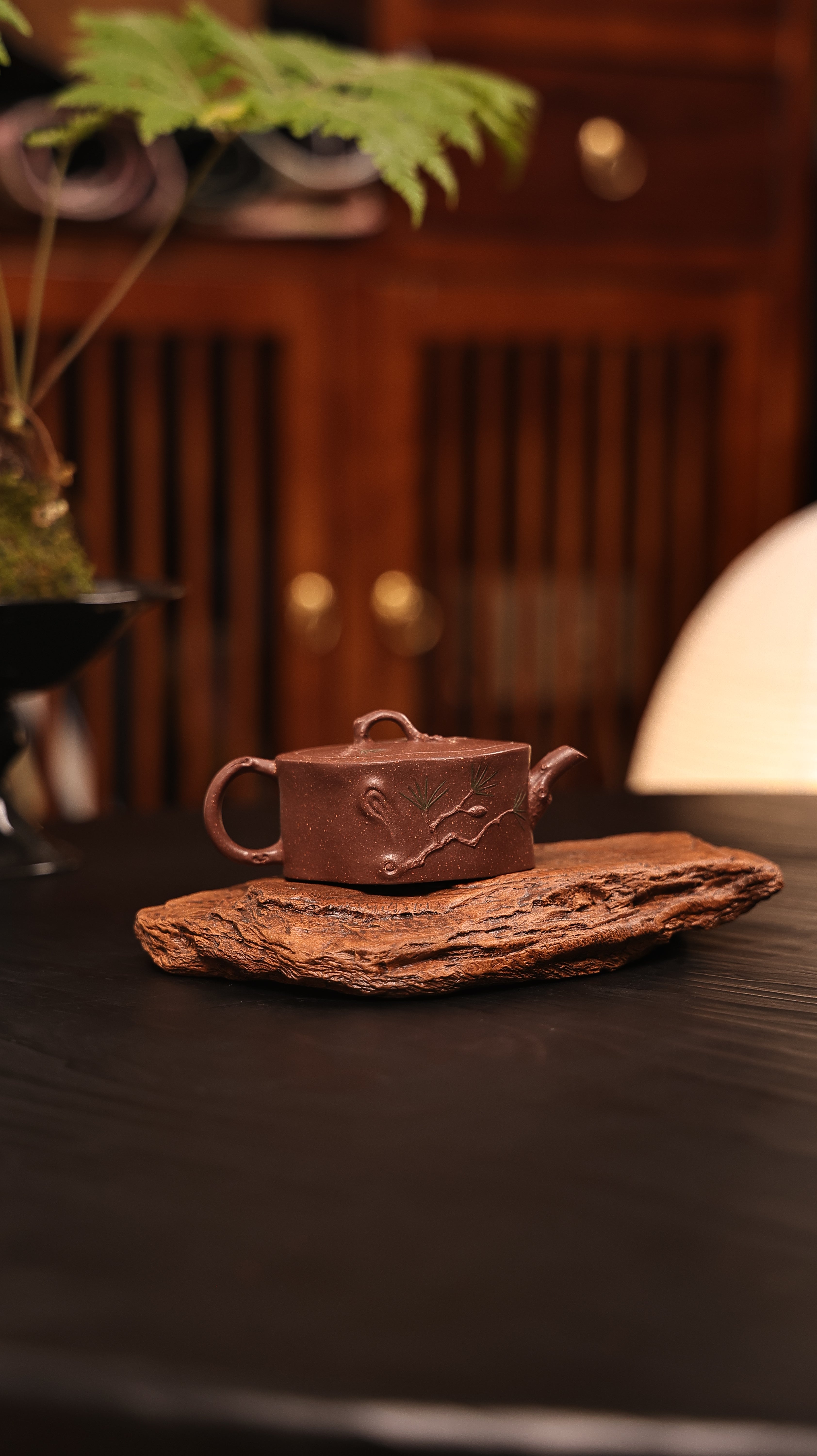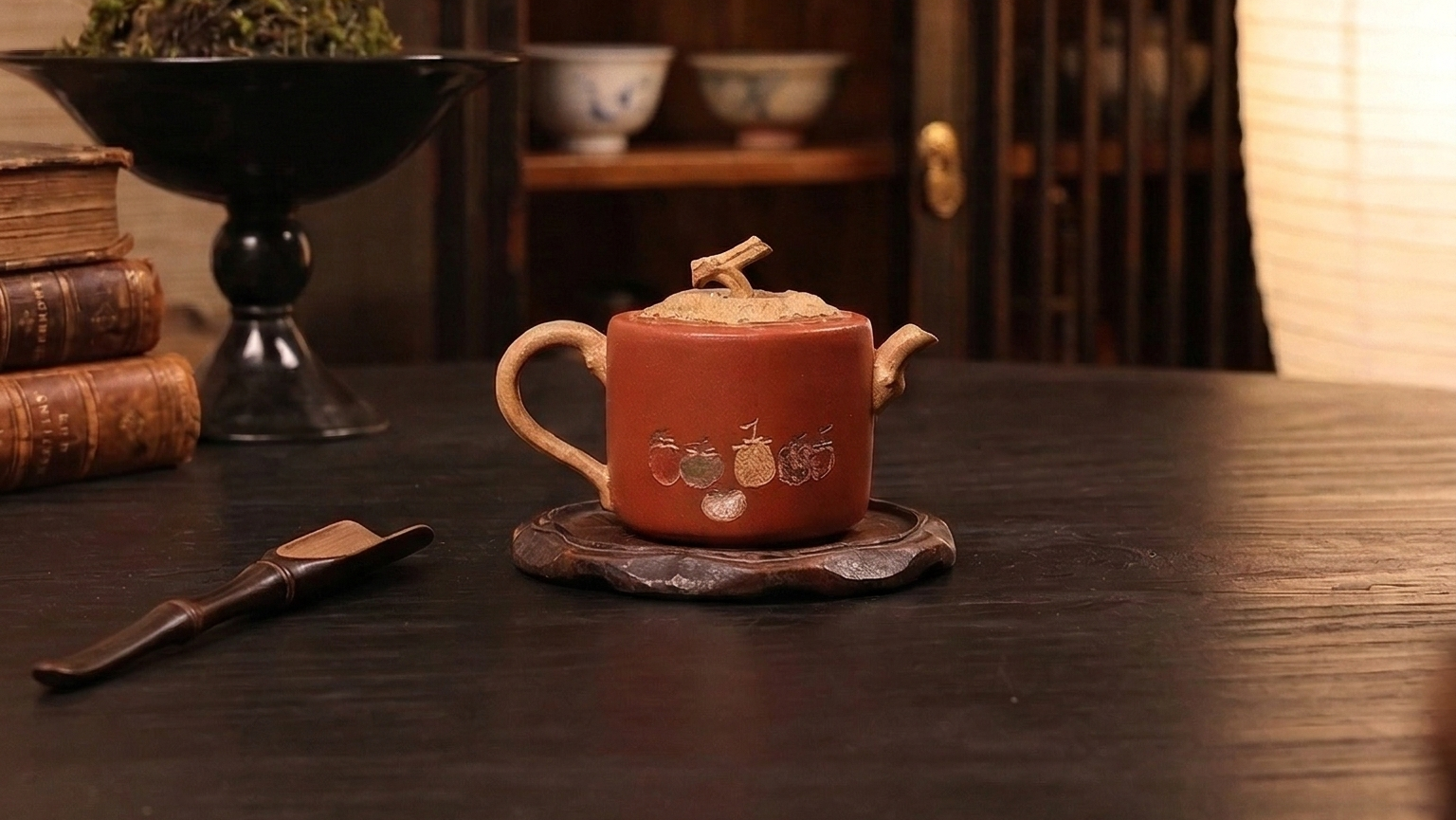
Across age-old chronicles,
During millennia, connoisseurs have been enthralled by the unique charm of Yixing Zisha kettles. Originating from the area of Yixing in Jiangsu, these pieces are renowned for their outstanding beauty, infrequent clay, and essential ability to boost the palate of the concoction. The substratum's distinctive purple-red hue, combined with the skillful workmanship of local artisans, creates artifacts that are as functional creations and prized possessions. Collecting a Zisha teapot is more than just an purchase; it's immersing oneself in a rich traditional heritage.
Exploring Yixing Teapots: Background, Varieties, and Value
This Yixing teapots are a notable background deeply intertwined with Chinese culture. Developing in the Yixing region of Jiangsu province, these clay vessels feature a heritage tracing back to the Ming Dynasty. Preliminary examples were functional, but across centuries, Yixing teapot production evolved into an esteemed art form. The clay itself, known for its unique texture and ability to improve the flavor of the tea, continues a defining factor. Yixing teapots emerge in various types, broadly categorized by shape: Conventional such as Zhuni (purple clay) and Bisheng, as well as specialized designs. The importance of a Yixing teapot turns on several factors, including the potter’s prestige, the age of the piece, the rarity of the clay, and its aesthetic merit.- History: Historic epoch
- Composition: Diverse kinds
- Valuation Parameters: Historical period
Art of Zisha Pottery: Craft and Creators
Distinct formation of a superior Zisha teapot is a detailed process, requiring lengthy durations of skill. Proficient artisans meticulously procure the highest quality Zisha clay, a singular earth found only in specific regions of China. Conventional techniques, often inherited through families, involve exact shaping, refined carving, and patient firing in ancient stoves. The finished teapot isn't merely a utensil; it's a testament to imaginative vision and the substantial connection between the creator and their heritage. Each product showcases the personal touch of the designer, resulting in a truly unique work of design.
A Craftsmanship: Examining the Profound Customs of Yixing Domain
Renowned Yixing, set in Jiangsu the territory, is commonly renowned for its exceptional vessels – a tangible representation of centuries of Chinese artisanry. These aren't merely vessels for preparing tea; they Yixing Teapot are intricate works of innovation, often reflecting philosophical ideals. This unique purple clay, known as Zisha, possesses singular qualities: it is dense, ventilated, and imparts a subtle flavor to the tea.
- Countless bloodlines have honed the techniques of Yixing teapot making, passing down hereditary methods through times.
- Enthusiasts prize these pieces for their appearance and exceptionality.
- Every container tells a chronicle, connecting the drinker to a rich history.
Entering Yixing Zisha: Important Factors
In the process of assessing procuring Yixing Zisha vessels, countless criteria command careful assessment. To begin with, the material's tint is key; authentic Zisha conventionally exhibits a distinct maroonish hue. Furthermore, inspect the technique; distinct characteristics and a smooth surface reveal proficient making. At last, analyze the producer's prestige; reputable names command higher prices and often offer a more dividend.
Brewing Excellence with Zisha Teapots
Producing palatable tea with a Zisha pitcher is more over a simple habit; it's an specialty. Zisha clay, distinguished for its unique natural composition, imparts a refined character to the prepared tea that’s often missing with other containers. The right water thermal condition is fundamental; typically, reduced than what's used for black tea, to save the tea's essence and note. Consider diligently the tea kind; delicate green teas or aged pu-erhs improve from the Zisha’s ability to reduce their inherent edge. It’s significant to warm the teapot earlier than brewing, and to exclude over-steeping. Mastering this skill leads to a sincerely exceptional tea episode.
- Learning Zisha Clay
- Water Warmth & Tea Selection
- Value of Warming Up
Maintaining Your Esteemed Earthenware
So as to guarantee the life of your esteemed Yixing vessel, ongoing management is truly essential. Shun using cleaning agents; instead, gently purify it with lukewarm hydrous medium. Shun drastic transitions; don't rest the kettle directly onto a glowing base. Periodically, condition the jar by infusing it with first-rate aged steep, as this aids to strengthen its essence and protects the singular qualities of the medium.
From Earth to Receptacle: The Progression of a Classic Brewing Device
A creation of a Zisha teapot is a astonishing system, a testament to both the planet's bounty and the expertise of the craftsman. It inaugurates with the selective extraction of the extraordinary clay from the violet Zisha mines in proximity to Yixing. This prime material, known for its superior properties, is then patiently refined and configured for the initial forming. The jar’s silhouette is skillfully developed using a aggregation of traditional modeling systems, often incorporating sophisticated embellishments. Following ripening, the urn undergoes a paramount first firing, preceded by a finishing stage, which might involve a series of layers of pure Zisha slips. Finally, a second, and sometimes third, firing at extreme temperatures finishes the product, revealing its finished beauty and exceptional characteristics - a genuine masterpiece, prepared to adorn a tea tradition.
{Yixing Teapots: A Exemplar of a Culture and Admiration
Renowned Yixing teapots, originating from the distinguished Yixing region of Jiangsu province, are far more than mere earthenware for brewing liquids; they represent a substantial aspect of Chinese identity. Manufactured from distinctive purple clay – zisha – these unique teapots are highly valued for their ability to improve the flavor of the tea and, crucially, for their artistic merit. The tradition of Yixing teapot making spans centuries, and the expertise involved is transmitted through generations, making each teapot a masterpiece that embodies long-established techniques and a profound appreciation for the modest pleasures in life.