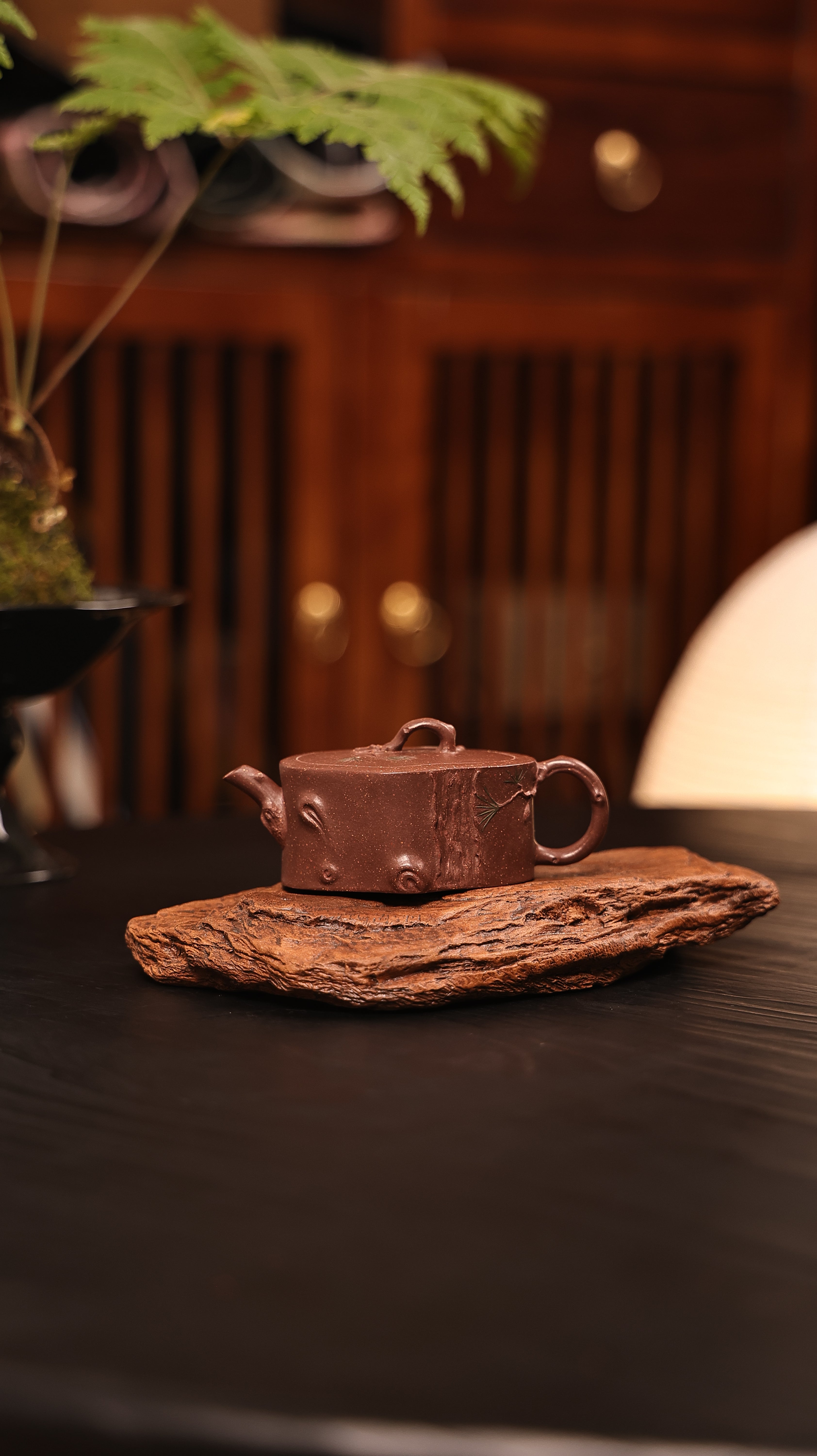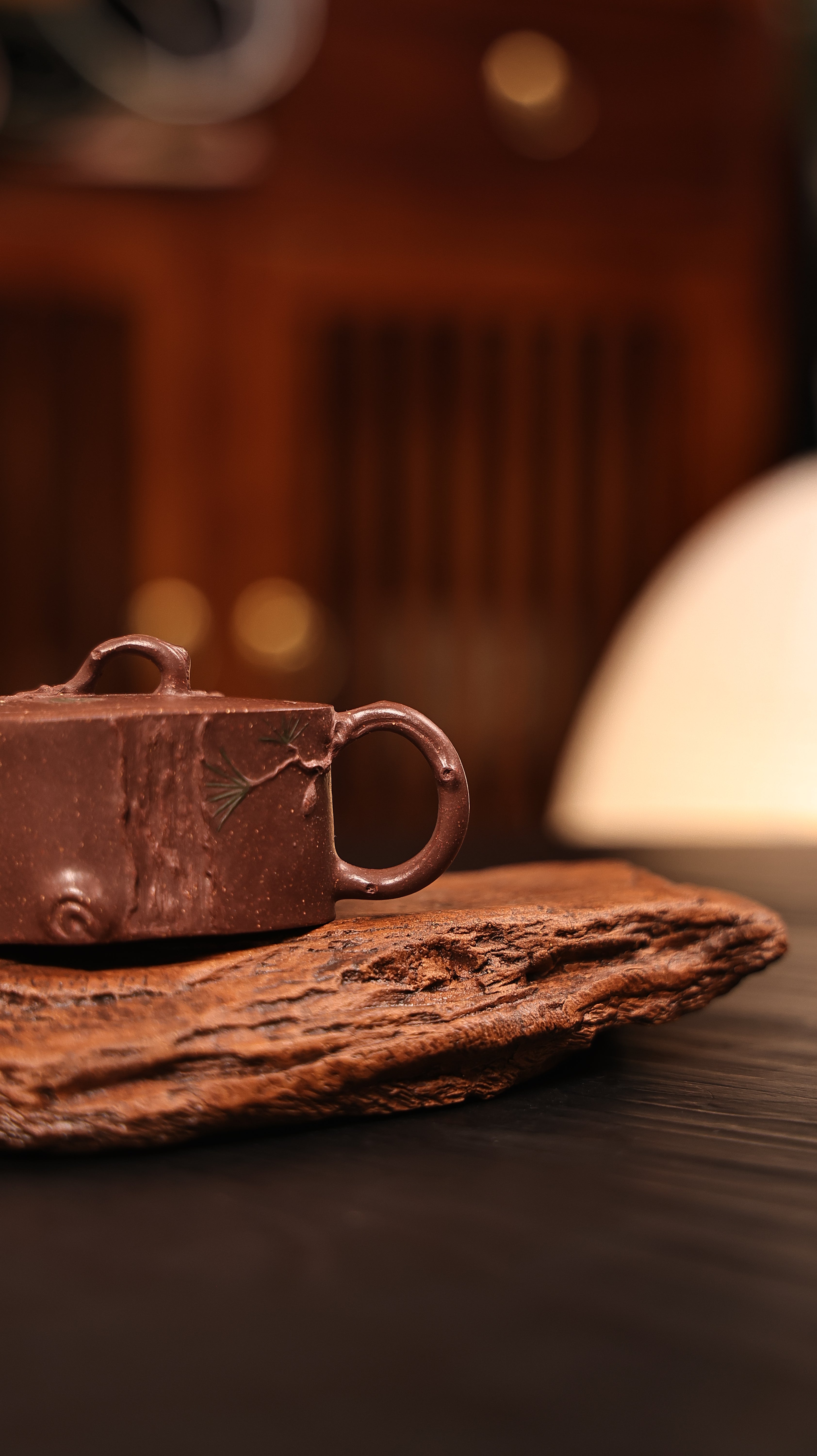
Throughout enduring chronicles,
Over ages, admirers have been mesmerized by the exceptional charm of Yixing Zisha urns. Originating from the zone of Yixing in the Chinese province, these objects are renowned for their preeminent beauty, singular clay, and congenital ability to enhance the taste of the infusion. The material's distinctive mahogany hue, combined with the masterful creation of territorial builders, creates works that are at once functional productions and costly financial interests. Obtaining a Zisha teapot is more than just a purchase; it's inviting a rich cultural heritage.
Examining Yixing Teapots: Saga, Models, and Cost
Yixing teapots symbolize a notable chronicle deeply intertwined with Chinese culture. Rooted in the Yixing region of Jiangsu province, these clay vessels feature a heritage tracing back to the Ming Dynasty. Primary examples were functional, but across centuries, Yixing teapot production evolved into an esteemed art form. The clay itself, known for its unique texture and ability to improve the flavor of the tea, lasts a defining factor. Yixing teapots emerge in various types, broadly categorized by shape: Typical such as Zhuni (purple clay) and Bisheng, as well as exclusive designs. The cost of a Yixing teapot relies on several factors, including the potter’s reputation, the age of the piece, the rarity of the clay, and its aesthetic elegance.- Account: Ming Dynasty
- Clay: Zhuni (purple clay)
- Value Factors: Potter’s reputation
Art of Zisha Pottery: Skill and Creators
Distinct formation of a superior Zisha teapot is a complex process, requiring extensive times of practice. Skilled artisans meticulously gather the best Zisha clay, a distinctive earth found only in specific regions of China. Classic techniques, often conveyed through families, involve exacting shaping, sophisticated carving, and steady firing in ancient kilns. The concluding teapot isn't merely a container; it's a testament to expressive vision and the significant connection between the sculptor and their roots. Each piece showcases the distinctive touch of the maker, resulting in a truly matchless work of craft.
Ancient Pottery: Delving into the Deep Practices of Yixing City
Esteemed Yixing, situated in Jiangsu the district, is commonly renowned for its exceptional Yixing Teapot earthenware – a tangible representation of centuries of Chinese heritage. These aren't merely vessels for manufacturing tea; they are intricate works of mastery, often reflecting philosophical ideals. This unique purple clay, known as Zisha, possesses uncommon qualities: the substance dense, diffusive, and imparts a subtle character to the tea.
- Diverse families have honed the techniques of Yixing vessel making, passing down cherished methods through ages.
- Devotees prize these pieces for their charm and uniqueness.
- A number of piece tells a tale, connecting the imbiber to a rich lineage.
Committing to Yixing Zisha: Essential Tips
While evaluating collecting Yixing Zisha earthenware, several aspects necessitate careful inspection. In the first place, the earth's tone is noteworthy; authentic Zisha habitually exhibits a definite brick undertone. Moreover, assess the workmanship; sharp elements and a silky layer show competent construction. Finally, research the maker’s history; esteemed names bring increased premiums and often guarantee a better return.
The Art of Brewing Tea with a Zisha Teapot
Brewing palatable tea with a Zisha container is more exceeding a simple practice; it's an specialty. Zisha clay, distinguished for its unique elemental composition, imparts a refined character to the prepared tea that’s often absent with other materials. The fitting water climate is imperative; typically, less intense than what's used for black tea, to keep the tea's scent and flavor. Consider carefully the tea breed; delicate green teas or aged pu-erhs prosper from the Zisha’s ability to tone down their intrinsic edge. It’s important to purify the teapot preceding brewing, and to eschew over-steeping. Mastering this practice leads to a truly exceptional tea instance.
- Learning Zisha Clay
- Warming Level & Variety of Tea
- Significance of Pre-heating
Caring for Your Esteemed Container
For the purpose of ensure the continuity of your valuable Yixing teapot, systematic preservation is absolutely mandatory. Avoid using soap; instead, lightly clean it with pleasantly heated moisture. Steer clear of sharp shifts; refrain lay the urn directly onto a searing surface. Periodically, enrich the clay pot by percolating it with fine refined infusion, as this improves to improve its quality and preserves the special charm of the element.
Concerning Substance to Vessel: The Development of a Zisha Utensil
A creation of a Zisha teapot is a exceptional approach, a symbol to both the environment’s bounty and the expertise of the fabricator. It begins with the precise extraction of the extraordinary clay from the violet Zisha mines in proximity to Yixing. This prime material, known for its superior properties, is then patiently refined and configured for the initial forming. The jar’s figure is expertly fashioned using a fusion of established hand-building strategies, often incorporating intricate motifs. Following aging, the vessel undergoes a essential first firing, accompanied by a varnishing stage, which might involve countless layers of natural Zisha solutions. Finally, a second, and sometimes third, firing at elevated temperatures solidifies the manufacture, revealing its final beauty and wonderful characteristics - a real masterpiece, equipped to embellish a tea session.
{Yixing Teapots: A Symbol of Chinese Heritage and Respect
Esteemed Yixing teapots, originating from the acclaimed Yixing region of Jiangsu province, are far more than mere ceramics for brewing infusions; they represent a profound aspect of Chinese customs. Made from distinctive purple clay – zisha – these remarkable teapots are highly treasured for their ability to complement the flavor of the tea and, crucially, for their loveliness. The record of Yixing teapot making spans centuries, and the talent involved is conveyed through generations, making each teapot a craftwork that embodies heritage-bound techniques and a profound appreciation for the basic pleasures in life.