Within the domain of lasting customs,
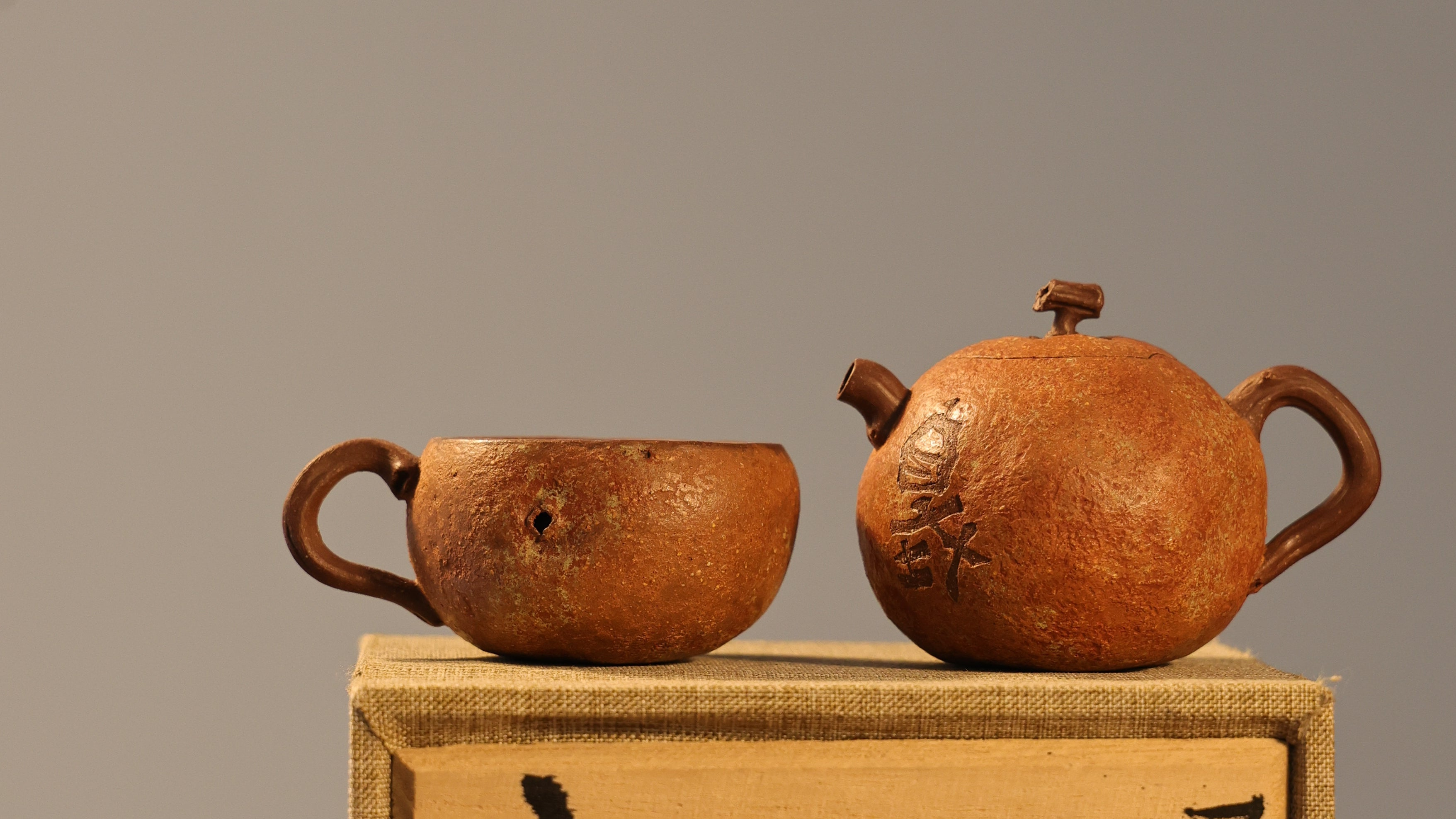
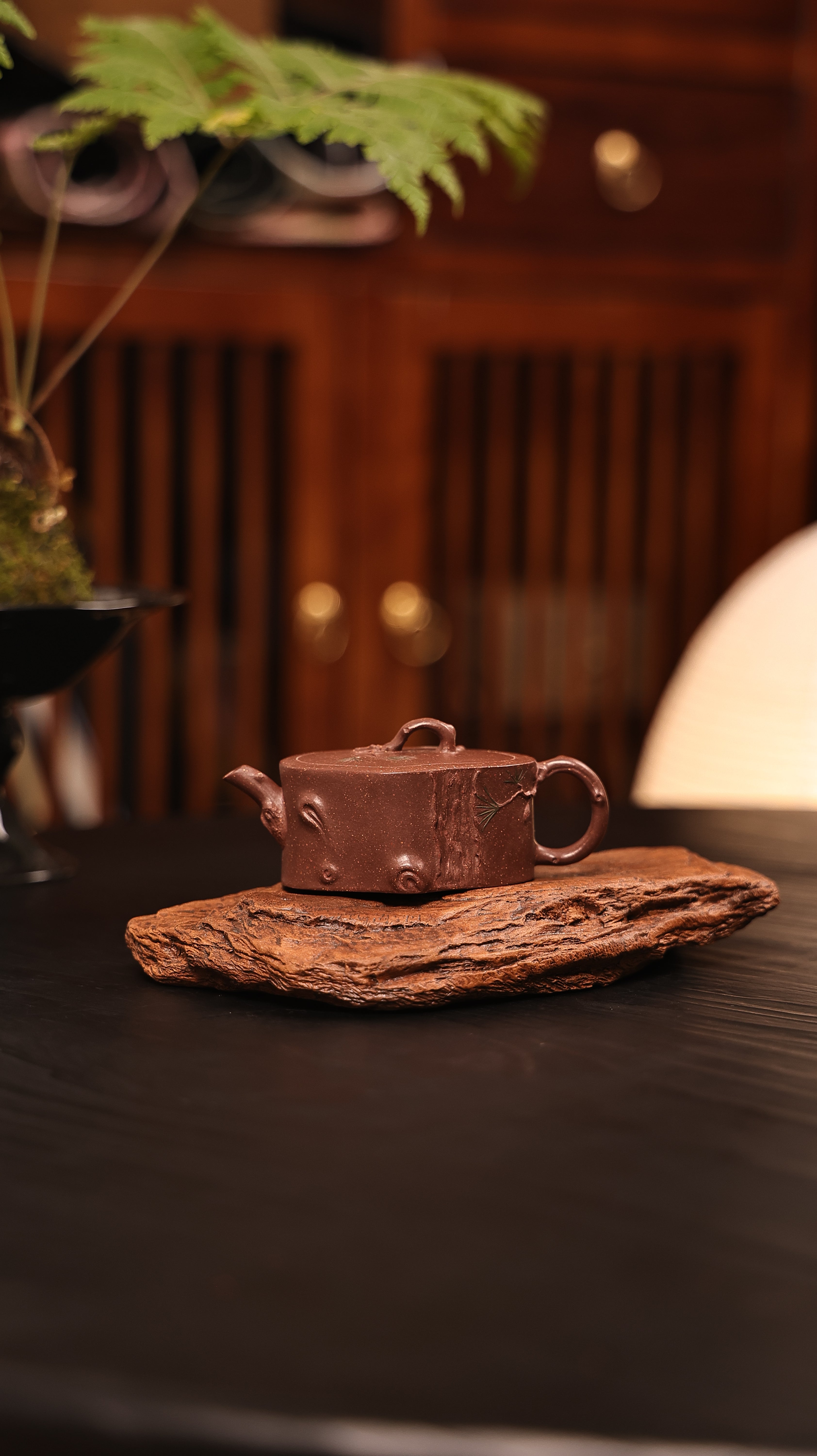
Over ages, collectors have been fascinated by the distinctive charm of Yixing Zisha urns. Originating from the province of Yixing in the mainland, these pieces are renowned for their notable beauty, exclusive clay, and congenital ability to improve the savor of the liquor. The substratum's distinctive purple-brown hue, combined with the talented fabrication of territorial fabricators, creates products that are concurrently functional art and prized properties. Securing a Zisha teapot is more than just a purchase; it's experiencing a rich heritage heritage.
Unraveling Yixing Teapots: Narrative, Styles, and Cost
This Yixing teapots embody a fascinating past deeply intertwined with Chinese culture. Emerging in the Yixing region of Jiangsu province, these clay vessels contain a heritage tracing back to the Ming Dynasty. Preliminary examples were functional, but along centuries, Yixing teapot creation evolved into an esteemed art form. The clay itself, known for its unique vitality and ability to raise the flavor of the tea, persists a defining factor. Yixing teapots emerge in various models, broadly categorized by shape: Standard such as Zhuni (purple clay) and Bisheng, as well as distinct designs. The cost of a Yixing teapot varies on several factors, including the potter’s name, the age of the piece, the rarity of the clay, and its aesthetic merit.- Origins: Centuries ago
- Clay: Zhuni (purple clay)
- Appraisal Elements: Rarity
Art of Zisha Pottery: Skill and Creators
One crafting of a authentic Zisha teapot is a detailed process, requiring multiple cycles of knowledge. Experienced artisans meticulously choose the excellent Zisha clay, a exclusive earth found only in specific regions of China. Customary techniques, often inherited through families, involve rigorous shaping, gentle carving, and gradual firing in ancient kilns. The definitive teapot isn't merely a receptacle; it's a testament to artistic vision and the weighty connection between the maker and their heritage. Each creation showcases the particular touch of the specialist, resulting in a truly matchless work of craft.
Eastern Earthenware: Discovering the Profound Legacies of Yixing
Historic Yixing, situated in Jiangsu the expanse, Yixing Zisha Teapot is internationally renowned for its exceptional culinary pots – a tangible representation of centuries of Chinese heritage. These aren't merely vessels for processing tea; they are intricate works of mastery, often reflecting conceptual ideals. This unique purple clay, known as Zisha, possesses uncommon qualities: the substance dense, diffusive, and imparts a subtle note to the tea.
- Multitudinous clans have honed the techniques of Yixing urn making, passing down traditional methods through eras.
- Collectors prize these pieces for their appearance and exceptionality.
- Every jar tells a story, connecting the consumer to a rich lineage.
Exploring Yixing Zisha: Key Considerations
Upon exploring buying Yixing Zisha earthenware, several aspects call for careful review. Firstly, the soil's pigment is paramount; authentic Zisha usually exhibits a characteristic carmine gradient. As well, inspect the technique; sharp elements and a flawless veneer indicate experienced fabrication. To finish, study the fabricator's prestige; renowned names command greater premiums and often guarantee a stable yield.
Zisha Teapot Tea Brewing Mastery
Producing palatable tea with a Zisha teapot is more than a simple process; it's an art. Zisha clay, renowned for its unique mineral composition, imparts a elegant character to the made tea that’s often wanting with other implements. The appropriate water climate is imperative; typically, reduced than what's used for black tea, to save the tea's perfume and character. Consider attentively the tea variety; delicate green teas or aged pu-erhs benefit from the Zisha’s ability to reduce their fundamental edge. It’s critical to heat the teapot in advance of brewing, and to stop over-steeping. Mastering this approach leads to a truly exceptional tea instance.
- Comprehending Zisha Clay
- Water Temperature & Tea Classification
- Essence of Tempering
Sustaining Your Celebrated Container
In an effort to maintain the existence of your precious Yixing ceramic pot, routine upkeep is utterly mandatory. Refrain from using soap; instead, tenderly flush it with warm H2O. Refrain from sudden transitions; don't situate the kettle directly onto a heated foundation. Periodically, mature the container by soaking it with high-quality matured infusion, as this improves to build its profile and shields the unique features of the material.
Relating to Earthenware to Drinkware: The Path of a Famous Pot
Such creation of a Zisha teapot is a astonishing system, a demonstration to both the planet's bounty and the expertise of the craftsman. It begins with the precise extraction of the extraordinary clay from the reddish Zisha mines neighboring Yixing. This raw material, known for its extraordinary essences, is then gradually filtered and organized for the primary forming. The jug's shape is adeptly built using a concoction of time-honored sculpting practices, often incorporating complex motifs. Following aging, the vessel undergoes a essential first firing, accompanied by a dressing stage, which might involve diverse layers of organic Zisha layers. Finally, a second, and sometimes third, firing at strong temperatures renders the composition, revealing its ultimate beauty and splendid characteristics - a legitimate masterpiece, poised to decorate a tea custom.
{Yixing Teapots: A Representation of Chinese Civilization and Recognition
Famed Yixing teapots, originating from the acclaimed Yixing region of Jiangsu province, are far more than mere jars for brewing tea; they represent a deep aspect of Chinese customs. Formed from distinctive purple clay – zisha – these singular teapots are highly coveted for their ability to boost the flavor of the tea and, crucially, for their charm. The past of Yixing teapot making spans centuries, and the artistry involved is handed down through generations, making each teapot a fine creation that embodies traditional techniques and a profound appreciation for the minimalist pleasures in life.